Regional Regulators’ Forum Asia 2018
Telecoms, Media & Regulatory Forum (TMRF), Regional Regulators Forum
We are currently updating our platform so you may experience some temporary disruptions or limited functionality
‘A key issue is how companies and workforce in Singapore respond to technological disruptions, and leverage digital technology to remain competitive and create new business value.’
Mr Tan Kiat How, CEO of the Infocomm Media Development Authority, Singapore
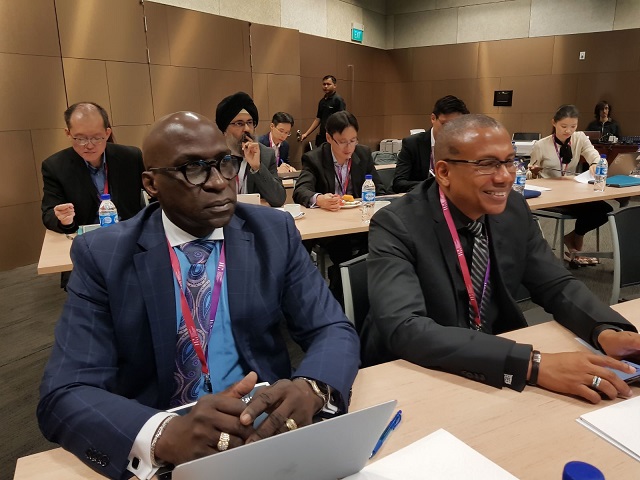
Supported by the IMDA, the IIC Telecommunications and Media Forum was preceded by the highly regarded Regional Regulators’ Forum where senior level regulators from across the region and beyond came together to discuss how best practice policy and regulatory decision making can work together to drive accessibility, affordability and competitiveness. To read the full Q&A with Mr Tan Kiat How, CEO of the Infocomm Media Development Authority, Singapore, published in Policy World click here.
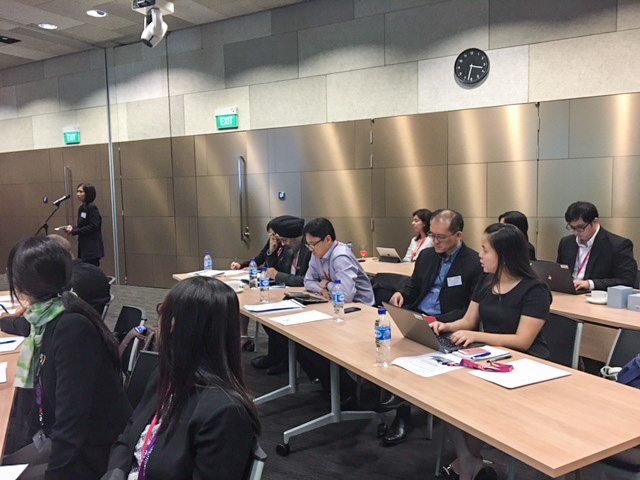
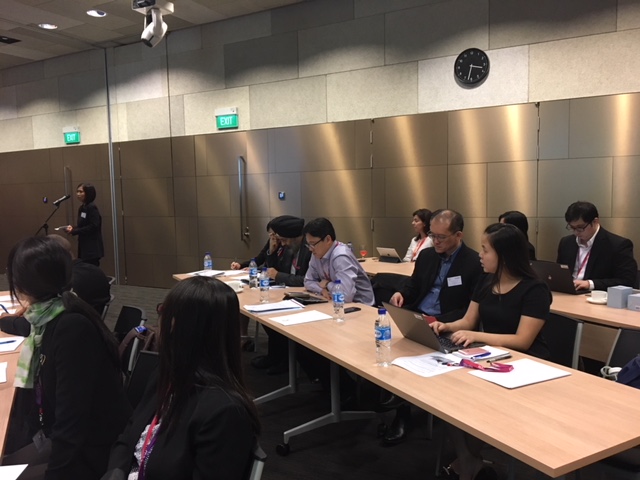
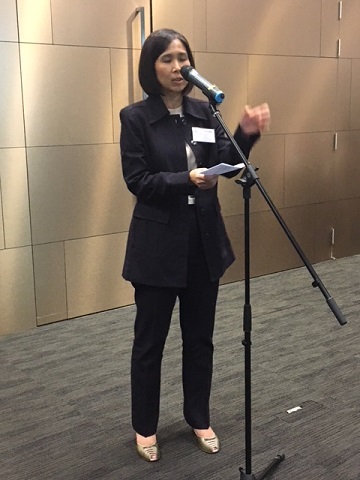
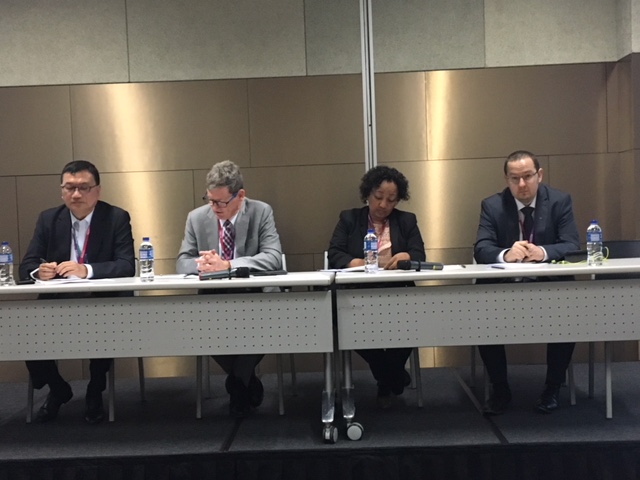
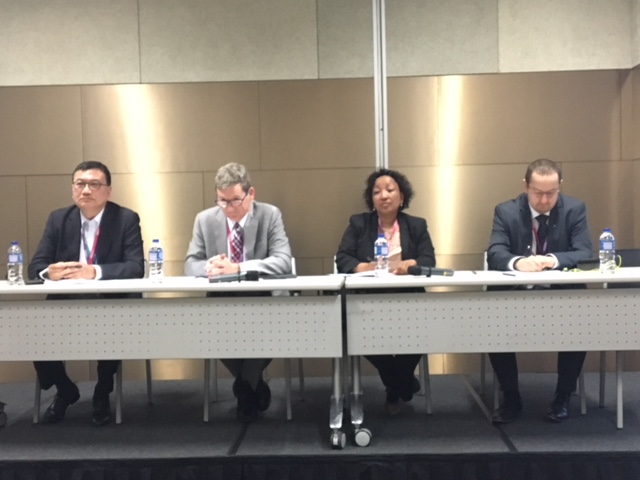
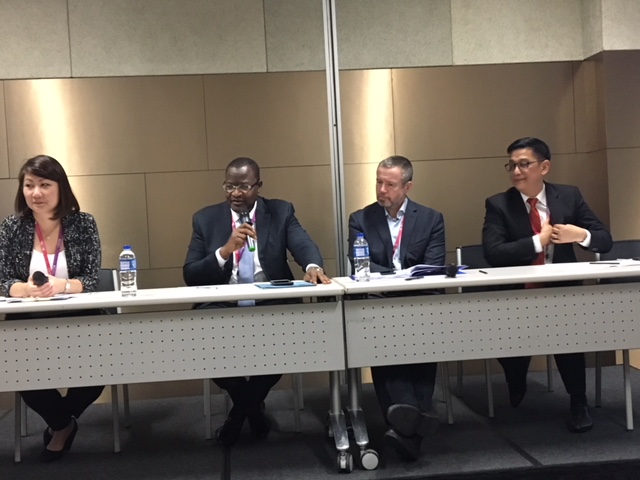
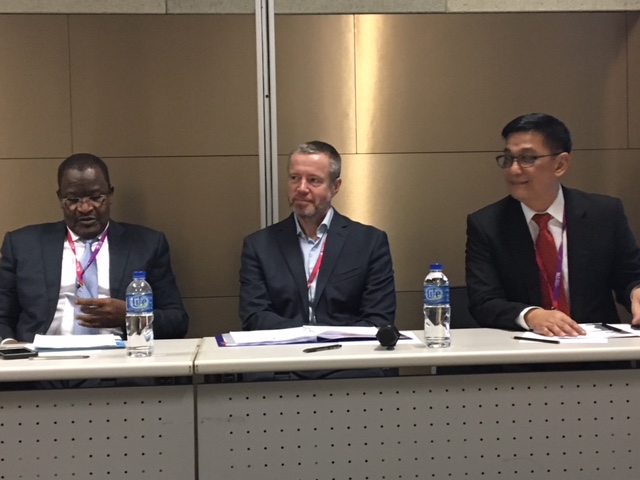
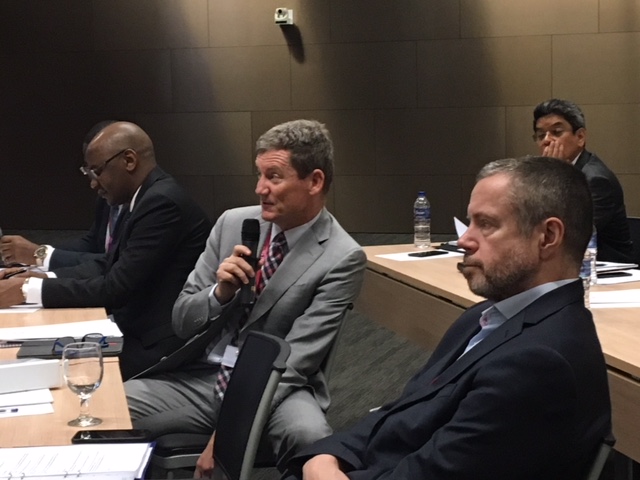
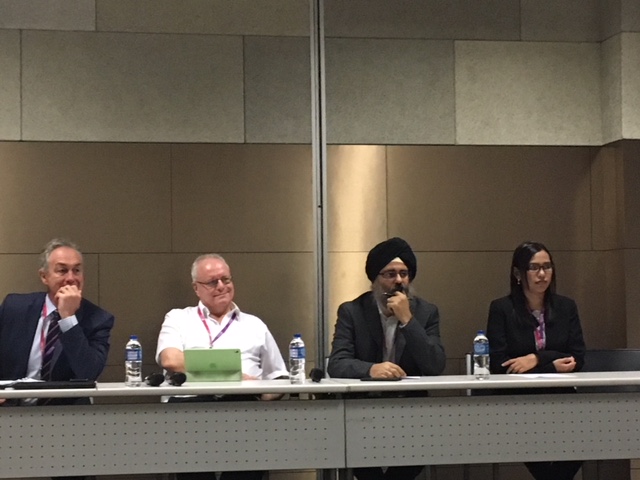
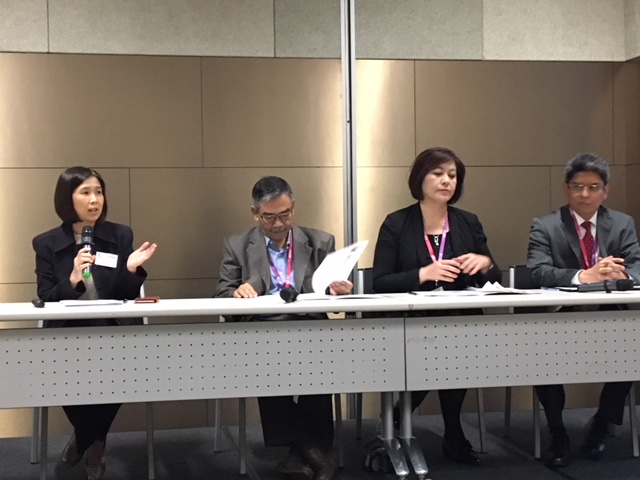
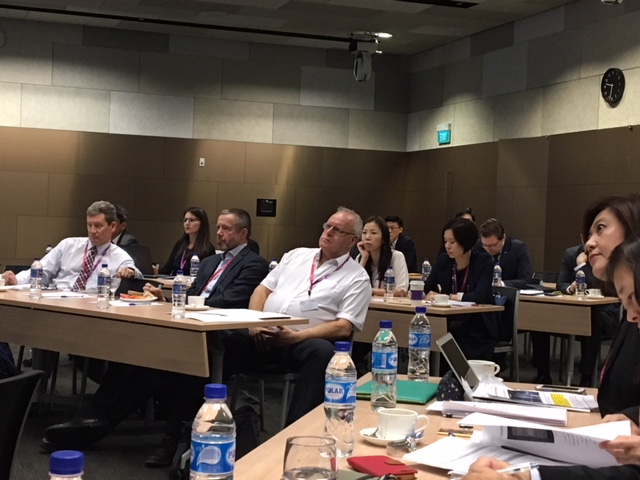
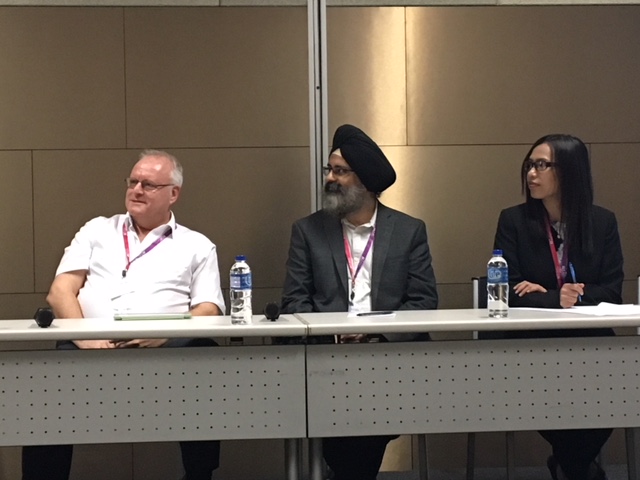
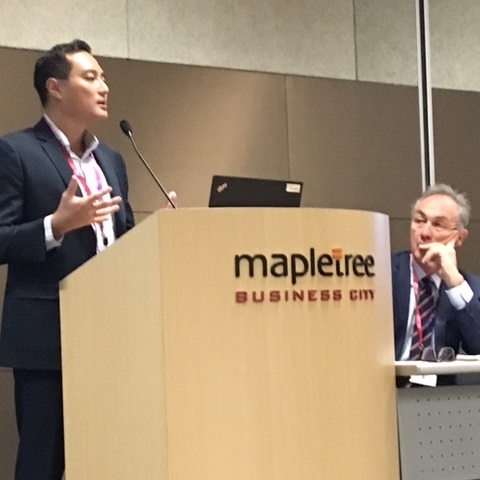
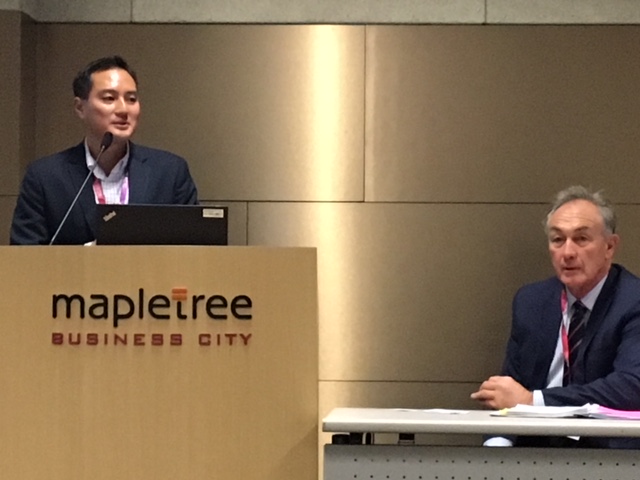
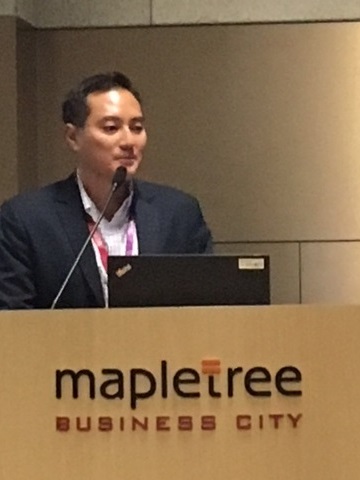
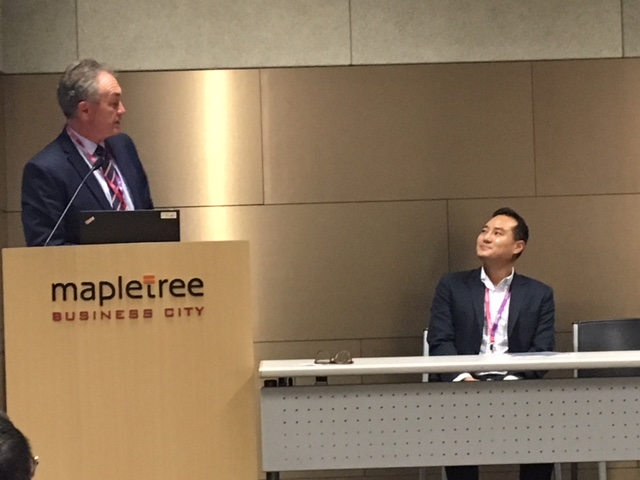
The IMDA has an interesting role as its mandate is not just that of a regulator but also of an industry developer. The agency is now the regulator of the telecommunications sector, the broadcast sector, media content and personal data.
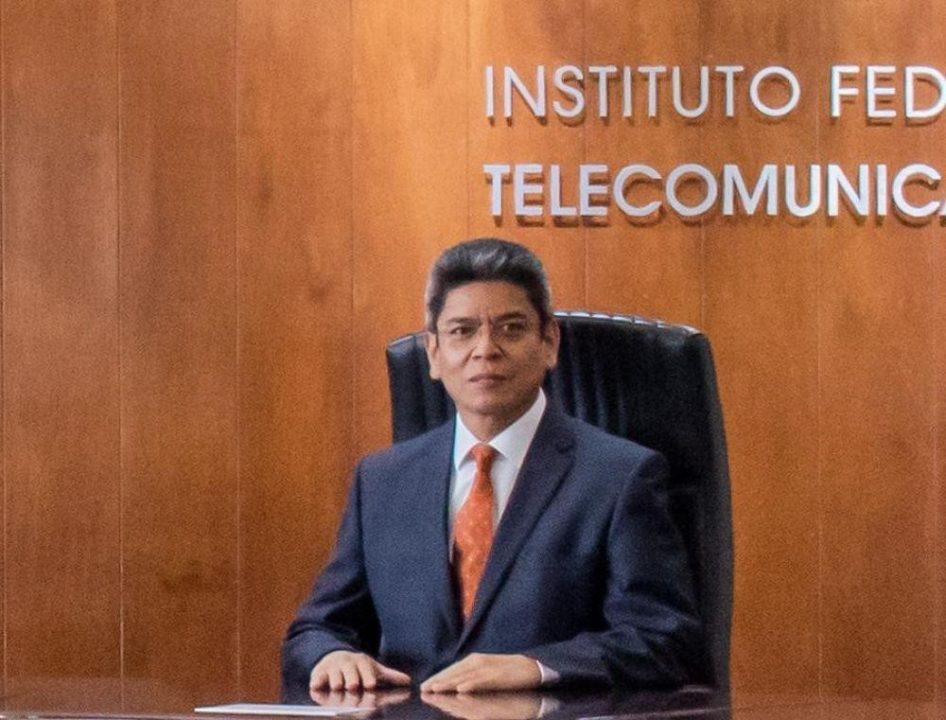
Adolfo Cuevas Teja is the acting Chairman of the IFT since March 2020. He was ratified by the Mexican Senate as Commissioner of the IFT, on September 10, 2013, for a nine-year term, until February 2022.
He joined the public service in 1985 and worked in the office of the UNAM’s General Attorney and he was Legal Counsel at the Universidad Autónoma Metropolitana (UAM) between 1998 and 2002.
In the telecommunications and broadcasting sectors, Mr Cuevas Teja previously held positions as Legal Assistant Director at the Mexican Radio Institute, Legal Counsel at General Directorate of Radio, TV and Cinematography of the Ministry of Government as Advisor at the Mexican Senate. Before joining the IFT, Mr Cuevas Teja worked in the extinct Federal Telecommunications Commission from 2006, where he was appointed Area Director and then General Director of Resolutions and Agreements Projects “D”.
Mr Cuevas Teja has a Bachelor’s degree in Law, a Specialisation degree in Constitutional and Administrative Law, and a Master’s degree in Law from the Universidad Nacional Autónoma de México (UNAM). He has a Master’s degree in Public Administration from the John F. Kennedy School of Government of Harvard University.

Ms Aileen Chia is currently the Deputy Chief Executive (Connectivity Development & Regulations) and Director-General (Telecoms and Post) of the IMDA, a statutory board in the Singapore government which regulates the infocomm, media and postal sectors, and comprises the Personal Data Protection Commission. She has served as a Board member of the Singapore Network Information Centre (a subsidiary of IMDA) since 2009 and has been its Chairman since 2020.
Ms Chia seeks to create a competitive, internationally-connected and trusted environment to enable the development of the infocomm, media and postal sectors in Singapore through the formulation and implementation of policy and regulatory frameworks, and development strategies for these sectors.
Ms Chia holds a Bachelor Degree in Economics (Honours) and a Masters of Public Policy from the National University of Singapore.

Angeline Poh is the Assistant Chief Executive Officer (Industry Development) of the Infocomm Media Development Authority (IMDA). She leads the IMDA’s effort to develop a vibrant infocomm & media ecosystem that powers Singapore’s Digital Economy. She also oversees the development and implementation of the IMDA’s public service content strategies and initiatives.
Prior to this, Ms Poh was the Assistant Chief Executive Officer of the Media Development Authority, where she led the planning and development of Singapore’s media sector.
Ms Poh was the Managing Director of McGraw-Hill Education (Asia) before joining the MDA. In this role, she led the growth and digital transformation of the company’s business in Asia across the Higher Education, School & English Language Training as well as Professional & Medical lines of business.
Ms Poh’s extensive experience in industry development and transformation was built through her career at the Singapore Economic Development Board (EDB), where she held various positions between 1999 and 2011. Most notably, she was the Director concurrently leading the organisation’s Planning division spearheading corporate-wide strategy development, implementation and performance management; as well as the Research & Statistics Unit responsible for economic research and forecasting. Ms Poh also led the InfoComms & Media Cluster which experienced significant sector-wide growth, including the introduction and development of the Interactive & Digital Media industry.
Ms Poh graduated from the Nanyang Technological University and was awarded the Lee Kuan Yew Gold Medal.
Botlenyana Mokhele has a wealth of experience in broadcasting media policy and regulation from a career spanning over two decades. Prior to being appointed to the Council of the Independent Communications Authority of South Africa (ICASA), she was a Principal Consultant at Pygma Consulting based in Johannesburg, South Africa. Before becoming a consultant, Ms Mokhele served in a number of senior positions at the Department of Communications (DoC), including that of the Chief Director 2010 Broadcasting, responsible for implementation of the South African Government’s ICT Guarantees for the 2010 FIFA World Cup.
Prior to this she served as Deputy Executive Director of the National Association of Broadcasters and Manager at Broadcasting Policy Research and Development at ICASA. During her tenure in both positions, Ms Mokhele contributed towards broadcasting policy and ICT legislative processes in South Africa, and served on the country’s Digital Migration Working Group.
Ms Mokhele has a Master’s in Public Policy from the University of the Witwatersrand. She has Honours in counselling psychology from the University of South Africa (UNISA), a Postgraduate Diploma in information policy from UNISA, a Postgraduate Diploma in telecommunication studies from the Cable and Wireless College and an Advanced Project Management Diploma from Damelin College.
Ms Mokhele passed away in September 2020.

Chris Chapman was appointed President of the International Institute of Communications on 1 April 2016. He is also a member of the IIC Advisory Council and Former Chair of the IIC Nominations Committee.
Mr Chapman previously held the position of Chairman and CEO of the Australian Communications and Media Authority (ACMA). He was appointed in February 2006 and was re-appointed for a 2nd five year term in October 2010 until April 2016. He was appointed an Associate Member of the Australian Competition and Consumer Commission in September 2007.
Mr Chapman is a seasoned executive with experience in the media, broadcasting and film, internet, telecommunications, sports rights and infrastructure development worlds.
Before joining ACMA, Mr Chapman held a number of senior management positions with the Seven Network, Stadium Australia Management, Optus and Babcock & Brown. He has also been the Chairman of Film Australia and Sports Vision Australia, and a previous member of the National Film and Sound Archives’ Advisory Council.
Mr Chapman has a Bachelor of Laws and a Bachelor of Commerce from the University of New South Wales and has completed the Harvard Business School AMP program.

Dan Sjöblom is the Director General of the Swedish Post and Telecom Authority (PTS) and was appointed by the Swedish Government on 1 February 2017.
He served as Chairperson of BEREC (Body of European Regulators for Electronic Communication) in 2020, having served as a vice-chair in 2019.
Prior to taking up his position, Mr Sjöblom was the Director General for the Swedish Competition Authority for eight years, between 2009 and 2017.
He is also board member of the Swedish Broadband Council.
Mr Sjöblom has served as a civil servant at the European Commission between 1996 and 2009. He holds a Master of Laws from Stockholm University.

Harin Grewal manages a cluster of divisions in IMDA that cover the technical aspects of telecommunications and broadcast regulation. This includes spectrum management, border coordination, , numbering, regulatory price reviews and telecommunication standards.
As Executive Director of SGNIC, Mr Grewal also leads the Singapore NIC which is responsible for the management and promotion of .sg domain names, as well as internet domain and numbering related policies. SGNIC also carries out radio interference investigations and Quality of Service measurements on behalf of IMDA.
Prior to this, Mr Grewal headed the Next Generation Nationwide Broadband Network (“Next Gen NBN”) programme office. The Next Gen NBN is a globally unique nationwide fibre network, and its open-access model has been designed through a combination of structural and operational separation requirements set out by IMDA.
Mr Grewal is concurrently the Co-Chairman of Working Party 2, of Study Group 20 (Smart sustainable cities and the Internet of Things (IoT)) of the Standardization Sector of the International Telecommunication Union (ITU).
Mr Keng Thai Leong, the Deputy Chief Executive of the Infocomm Media Development Authority of Singapore, has more than 36 years’ experience in the telecommunications industry. He was previously Director-General of Telecommunications & Post at the Infocomm Development Authority of Singapore (IDA), which became part of the Info-communications Media Development Authority of Singapore on 1st October 2016.
In his previous position, Mr Leong played a key role in significant milestones of the industry, including the full liberalisation of the sector, the introduction of a competition regulatory framework, and the deployment of the Next Generation Nationwide Broadband Network.
Mr Leong concurrently holds the appointment of the Chairman of the Personal Data Protection Commission (PDPC), the statutory body set up to administer the Personal Data Protection Act (PDPA). In addition, he is a Commissioner to the UN Broadband Commission for Sustainable Development and Senior Advisor, International Strategy Unit at the Ministry of Communications & Information.
He graduated with a Bachelor of Engineering (Honours) from the University of Singapore and obtained a Master of Business Administration from the University of Southern California, USA. He also attended the Advanced Management Programme at Harvard Business School.
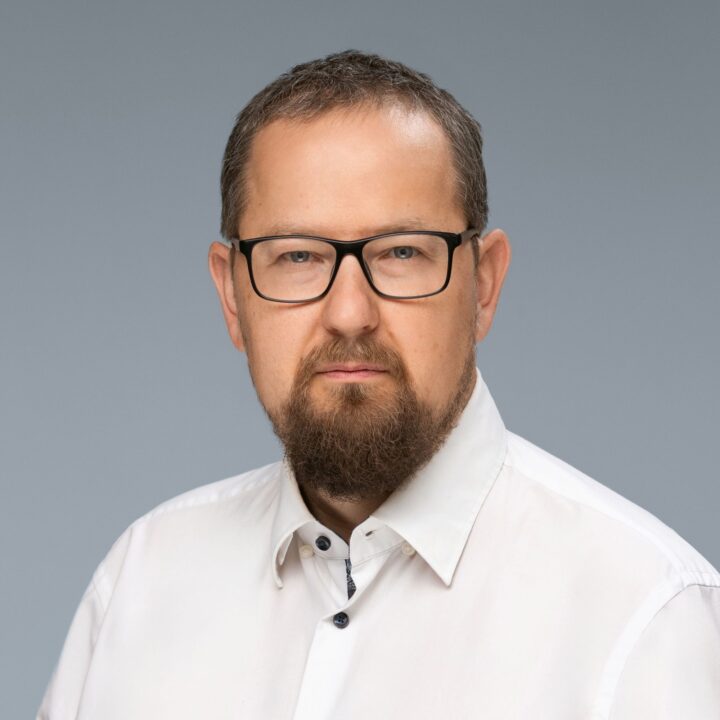
Assoc. Prof. Dr. Mantas Martišius is the Chairman of the Radio and Television Commission of Lithuania (RTCL), appointed by a resolution of the Parliament (Seimas) of the Republic of Lithuania.
In 2007, he defended his PhD in Communication Sciences at Vilnius University. His doctoral dissertation, titled “The Impact of Information Warfare on Lithuanian Mass Media (in the context of the Second Gulf War)”, was the first PhD thesis in Lithuania on the topic of information warfare. Since 2006, he has been lecturing at Vilnius University (with interruptions), where he teaches courses on propaganda and information warfare.
From 2018 to 2021, and again since 2024, he has served as Chairman of the Radio and Television Commission of Lithuania. Previously, he held the positions of Deputy Chairman (2017–2018) and Member of the Commission (2013–2017).
He is a member of the Board of the Geostrategic Security Studies Centre in Lithuania and frequently participates in various state and non-governmental expert groups.

Mayong Suryo Laksono joined the Indonesian Broadcasting Commission as a Commissioner in 2016. Prior to that he worked as a journalist and editor for a number of reputable magazine programmes and press works, most recently as editor in chief of Motorride Magazine. He continues to work in television and is a well-known personality as the host of a programme on RCTI (a television channel in Indonesia).
Mr Laksono lectures widely at universities in journalism and media related subjects.

Michael Cosgrave is Executive General Manager of the Infrastructure Regulation Division at the Australian Competition and Consumer Commission (ACCC).
The ACCC is the economy wide competition regulator that has specific responsibilities in the economic and competition regulation of telecommunications and some other key infrastructure sectors. In this role it investigates allegations of breaches of competition and consumer law, and undertakes merger reviews in the telecommunications sector. Additionally it has specific responsibilities in relations to telecommunications, administering industry specific access and economic regulation rules which include the determination of the terms and conditions on which the National Broadband Network supplies its customers.
Mr Cosgrave has been the most senior official within the ACCC on telecommunications for the past 20 years
Mr Cosgrave’s current position involves the overall management of the ACCC’s Infrastructure Regulation Division, which is responsible for fostering competitive, efficient and informed markets in critical sectors and industries. This includes the economic regulation of certain communications, water and transport markets and the monitoring of industries where there is lack of competition such as fuel and airports.
Mr Cosgrave is a lawyer who has worked both as a barrister and as a solicitor across a range of areas in both the private and public sectors.
Nicole Chan has expertise in the field of Science & Technology Law, Intellectual Property Law, Convergence, Internet & e-Commerce Regulation, Creative Industry Regulation and Management.
Ms Chan has served as Vice President & Director General, Science & Technology Law Institute (STLI), Institute for Information Industry. She also served as Assistant Professor in the Department of Culture & Creative Industries Management, National Taipei University of Education.
Seint Seint Aye is the head of Spectrum Management Division for the Posts and Telecommunications Department, the regulator of the Telecommunications Sector in Myanmar. She is mainly responsible for Planning, Management and Assignment of National Scare Resources (such as Spectrum, Telecom Numbers and Electronic Addressing).
Ms Aye previously worked for MPT (State-owned Telecom operator) as a regional engineer for PSTN telephone Switching Network and trainer in the training centre. She has been taking an important role in the reform of the Telecom sector which ends the monopoly of telecom market and creates competitive telecom sector.
She holds a Masters Degree in Advanced ICT from University of Ritsumeikan University, Japan and a Masters Degree in Public Administration from SungKyunKwan University, South Korea.

Dr Stephen Unger was until recently a Board member of Ofcom, the UK regulator responsible for digital communications. He had various responsibilities, including setting regulatory strategy for the UK, representing the UK internationally, and leading Ofcom’s technology programme. For a period he was Acting Chief Executive.
Before becoming a regulator Dr Unger spent several years in the private sector. He worked for a variety of high-tech start-ups who were developing and exploiting new wireless technologies.
Dr Unger’s current focus, working as a non-executive board member, consultant, and academic, is on the practical implications of disruptive technology change.
Dr Unger also served as a International Institute of Communications Board Director 2017-2022.
For more background see www.linkedin.com/in/ungersteve. Dr Unger can be contacted at swunger@swunger.com

Dr Taufik Hasan was appointed Commissioner at the Indonesian Telecommunications Regulatory Authority (ITRA), in May 2015. He is also a lecturer at TELKOM University for Post Graduate Program.
During 2008 to 2012, Dr Hasan was a consultant for the Ministry of Information and Communication Technology, Republic of Indonesia in the field of broadband, multimedia services and digital terrestrial television. He was also a leading consultant for PT. Telekomunikasi Indonesia in the service strategic development during 2011and with TELKOM, the incumbent telecommunication company in Indonesia, until 2007.
During 2004 to 2007, Dr Hasan was Vice Chairman of Study Group 2 (development and management of telecommunication services and networks and ICT applications) of ITU, representing Indonesia. He was an Executive Board Member of Indonesian ICT Society (Mastel) from 2009 till 2012.
Dr Hasan holds a Masters degree and a doctoral degree from Université de Brest (France), and a Bachelor degree from Bandung Institute of Technology, Indonesia.

Professor Umar Garba Danbatta is Executive Vice Chairman and Chief Executive Officer of the Nigerian Communications Commission (NCC), the Agency charged with the responsibility of regulating telecommunications in Nigeria. He was the Vice President of the Digital Bridge Institute (DBI), International Centre for Advance Communications Studies, established in 2004 by the NCCto build capacity for the Nigerian/Africa telecom industry in information and communications technology. While at DBI he developed expertise in the following major areas of ICT: implementation, policy and regulation.
Professor Danbatta served as a lecturer in the Department of Electrical Engineering, Faculty of Technology of Bayero University Kano for 28 years, where he taught courses in telecommunications engineering and electronics and held academic positions of Dean of the Faculty and Head of Department at different times. He was also a member of over 60 University committees and task forces, including numerous stints as Chairman. In administrative and other responsibilities outside the university, he has served on over 20 committees, prominent among which was his Chairmanship of the Implementation Committee on Kano State University of Science & Technology, after which he became its pioneer Deputy and Acting Vice-Chancellor when it took off in 2001.
Professor Danbatta has to his credit more than 50 articles in journals, conference proceedings and technical reports. He is also the author of a book entitled ‘Elements of Static Engineering Electromagnetics’. A recipient of 18 distinguished awards and certificates of honour, Professor Danbatta has served two terms as a Member of Council of the Regulation of Engineering in Nigeria (COREN), and is also a COREN Registered Engineer and a Fellow of the Nigerian Society of Engineers. (NSE).
Prof Danbatta obtained his BEng, MSc degrees from the technical University of Wroclaw in Poland and his PhD from the University of Manchester Institute of Science and Technology (UMIST) UK respectively.


You are seeing this because you are using a browser that is not supported. The International Institute of Communications website is built using modern technology and standards. We recommend upgrading your browser with one of the following to properly view our website:
Windows MacPlease note that this is not an exhaustive list of browsers. We also do not intend to recommend a particular manufacturer's browser over another's; only to suggest upgrading to a browser version that is compliant with current standards to give you the best and most secure browsing experience.